Stop saying 'I’ll remember it' — How a shopping list app finally tamed my chaotic kitchen
We’ve all been there — standing in the grocery aisle, staring blankly at our phones, realizing we forgot the one thing we *knew* we needed. I used to juggle sticky notes, texts to myself, and memory tricks that never worked. It wasn’t just about groceries; it was the stress, the wasted trips, the guilt of forgotten ingredients for family meals. Then I tried a simple shopping list app — not for tech’s sake, but for peace of mind. What changed wasn’t just my pantry, but how I connect with my household, plan my week, and care for myself.
The Grocery Game We’re All Losing (And Why It Hurts More Than We Think)
Let’s be honest — we’ve all walked into the kitchen, opened the fridge, and said, 'I could’ve sworn we had milk.' Or worse, you’re halfway through making dinner and realize you’re missing a key ingredient. Again. It’s not just frustrating — it chips away at your confidence. You start to think, 'Am I just bad at this?' But here’s the truth: it’s not you. It’s the system — or lack of one. Most of us rely on memory, scraps of paper, or frantic last-minute texts. And that constant mental load? It’s exhausting. It’s not just about forgetting bread. It’s about the domino effect: the extra trip to the store, the delayed dinner, the tension in the house when someone’s hungry and dinner isn’t ready.
And let’s talk about the hidden cost — the emotional one. Every time you forget something, it feels like a tiny failure. You start to question your ability to manage your home, your family, your time. I used to carry that guilt like a backpack. 'I should’ve remembered.' 'I’m supposed to be the one who keeps things running.' But here’s what I’ve learned: forgetting isn’t a character flaw. It’s a sign that your brain is overloaded. We weren’t built to hold endless mental to-dos. Our minds are meant for creativity, connection, problem-solving — not inventory tracking. When we expect ourselves to remember every grocery item, every school supply, every household need, we’re setting ourselves up for burnout. The real problem isn’t forgetfulness — it’s the outdated tools we’re using.
Think about it: how many times have you written something on a sticky note, only to lose it under a pile of mail? Or typed a note into your phone, then couldn’t find it later? These methods don’t fail because we’re disorganized — they fail because they’re not designed for real life. Real life is messy. It’s loud. It’s full of interruptions. We need tools that work *with* our lives, not against them. That’s why so many of us keep cycling through the same frustration. We’re playing a game we can’t win — not because we’re bad at it, but because we’re using the wrong rules.
How a Simple App Became My Household’s Missing Link
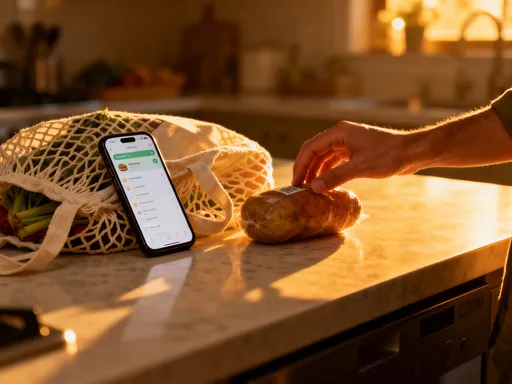
The shift didn’t happen overnight. It started with a simple question: what if I stopped trying to remember everything — and just let the app do it? I downloaded a popular shopping list app, the kind you can share with others. At first, I didn’t tell anyone. I just started using it for myself. But then, something unexpected happened. My partner saw me checking my phone in the kitchen and asked, 'What’s that?' I showed him — and suddenly, he added 'coffee filters' to the list while making his morning brew. Later that day, my daughter texted me: 'Can you add gummy vitamins? We’re out.' That was the moment I realized: this wasn’t just a list. It was a conversation.
For the first time, grocery planning wasn’t something I did alone in the quiet of the evening. It became part of our daily rhythm. My son would yell from the bathroom, 'We need toothpaste!' and I’d tap it in without breaking stride. My husband started adding items while cooking — 'We’re low on olive oil' — and I’d see it instantly. No more nagging. No more 'Why didn’t you tell me?' No more duplicate purchases because someone forgot to mention they bought something. The app became our shared memory. It wasn’t about control — it was about connection. We were finally on the same page, literally.
And the best part? It reduced the friction in our relationships. So many small arguments happen over misunderstandings — 'I thought you were getting the laundry detergent!' With a shared list, those moments faded. It wasn’t that we were communicating more — we were communicating *better*. The list became a neutral space, free from tone or emotion. It didn’t matter who added what — the item was just there, seen by everyone. It felt like we’d installed a quiet peacekeeper in our home. And honestly? That peace started to spill over into other areas. When the little things run smoothly, the big things feel more manageable.
From Chaos to Calm: Building a List That Works With Your Brain
Here’s what I used to do: I’d scribble everything on one long list — 'milk, bread, bananas, dish soap, batteries, cat food' — and then walk into the store hoping I’d remember the order. Spoiler: I didn’t. I’d go in with good intentions, then end up zigzagging through the store like a pinball. I’d pass the dairy section, forget I needed yogurt, and end up back there five minutes later. Sound familiar? The problem wasn’t the list — it was how I was using it. A random dump of items doesn’t help your brain. It overwhelms it.
What changed was structure. I started organizing my list by how the store is laid out. I created sections: produce, dairy, pantry, cleaning, personal care. Some apps let you do this with collapsible categories — it’s a game-changer. Now, when I walk in, I go section by section. No backtracking. No second trips. I save time, energy, and mental space. And here’s a little trick: I use bold for urgent items. 'BREAD — we’re out!' stands out when I’m scanning the list mid-aisle. It’s like giving my brain a gentle nudge.
Another breakthrough? Linking the list to meal planning. Instead of adding 'chicken' and 'rice' as random items, I started tagging them with the meal: 'Stir-fry (Tuesday night)'. That way, I know why I’m buying it — and I’m less likely to skip it. It also helps me avoid overbuying. If I see 'chicken' already tagged for two meals, I don’t add it again 'just in case'. This small shift turned my list from a chore into a plan. It wasn’t just about what to buy — it was about how to live. And the more I organized it, the more my brain started to relax. I wasn’t trying to hold everything in my head anymore. The list was doing the work — and I could finally breathe.
Voice, Sync, Share — The Features That Actually Make Life Easier
You don’t have to be a tech whiz to use this. In fact, the best part is how little effort it takes. Most apps today have voice input — and I use it all the time. Picture this: I’m chopping onions, my hands are covered, and I remember we’re out of almond butter. Instead of wiping my hands, finding my phone, unlocking it, opening the app, and typing — I just say, 'Hey phone, add almond butter to the shopping list.' Done. No interruption. No mess. It’s like having a helper who’s always listening.
Then there’s real-time syncing. This one changed everything. Before, my husband would call me from the store: 'Did you get the eggs?' And I’d have to check my notes, reply, wait for him to see it — and sometimes, he’d already bought them. Now, when I add something, it appears on his phone instantly. When he checks an item off, I see it disappear. No double-buying. No confusion. It’s like we’re in the same store, even when we’re not. And for busy households, that’s huge. It means one person can start the list, another can add to it, and a third can shop from it — all without a single text or call.
Sharing the list also creates a sense of teamwork. My kids feel included when they can add their favorite snacks. My husband feels respected when he can contribute without being asked. It’s not about delegating chores — it’s about building a shared responsibility. And when everyone feels like they’re part of the plan, they’re more likely to stick to it. Plus, it’s kind of fun. We’ve turned grocery planning into a little family game. 'Who can spot the missing item first?' 'What should we try new this week?' The app didn’t just organize our shopping — it brought us closer.
Meal Planning Meets Mindfulness: How Lists Help Me Care for Myself
Here’s something no one tells you: your shopping list can be an act of self-care. I used to think of it as a task — something to check off so dinner could happen. But now, I see it differently. Every Sunday, I spend ten minutes planning my week. Not just meals — moods. I ask myself: how do I want to feel this week? Calm? Energized? Nurtured? And then I build my list around that. If I want quiet mornings, I add loose-leaf tea and honey. If I want vibrant energy, I load up on colorful veggies. If I’m feeling nostalgic, I buy the ingredients for my grandmother’s soup.
This small shift made a big difference. My list isn’t just about feeding my family — it’s about feeding *me*. It’s a way to honor my needs, even when I’m busy. And when I shop with intention, I’m not just buying food — I’m creating space for the life I want. I remember one week I was feeling overwhelmed. Instead of reaching for comfort food, I added 'fresh herbs, lemons, sparkling water' — things that felt light and refreshing. That week, I made simple, bright meals. I felt better. It wasn’t magic — it was mindfulness in action.
The app became a mirror for my emotional state. When I’m stressed, my list gets chaotic — random items, no structure. When I’m grounded, it’s calm and organized. That awareness helped me slow down. Now, if I notice my list is messy, I pause and ask: what’s really going on? Am I tired? Overwhelmed? Needing rest? The list became a tool for emotional check-ins — not just grocery reminders. And that, honestly, has been one of the most surprising gifts. I didn’t just get a better kitchen — I got a better relationship with myself.
No More Waste, No More Guilt: The Quiet Win of Better Planning
Let’s talk about the green stuff in the back of the fridge. You know the one. The wilted spinach. The forgotten herbs. The half-eaten container of something that’s now a science experiment. I used to hate that moment — opening the fridge and seeing food I paid for, now headed for the trash. And with it came guilt. 'I should’ve used it.' 'I’m so wasteful.' But waste isn’t just about food — it’s about money, time, and energy. And it’s preventable.
Here’s how the app helped: now, before I add anything new, I check what we already have. Some apps let you create a 'pantry list' — a running inventory of what’s at home. I keep mine updated. When I use the last of the pasta, I mark it off. When we open a new jar of sauce, I add it. Then, when I plan meals, I build around what’s already in the house. This simple habit cut our food waste in half. We’re not perfect — sometimes things still go bad — but it’s no longer the norm.
And here’s the bonus: I started noticing patterns. I always bought too much basil. Always. So I planted a small pot on the windowsill. Now I snip what I need. Same with green onions. I used to toss them weekly. Now I grow them in water — they regrow! These little changes didn’t come from a strict budget plan — they came from awareness. The app showed me what I was doing, without judgment. And once I saw it, I could change it. That’s the power of tracking — not to shame, but to empower. We’re saving money, yes — but more importantly, we’re feeling more in control. And that’s worth more than any dollar amount.
Making It Stick: Simple Rules That Keep the System Alive
Here’s the truth: no app works if you don’t use it. I’ve downloaded plenty of tools that looked great — then got abandoned in a week. The difference this time? I made it easy. I built tiny habits that fit into my life. Every Sunday, I do a five-minute review: check the pantry list, glance at the meal plan, add what’s missing. That’s it. No marathon planning. No pressure. And I made a rule: if I think of something, I add it *immediately*. Not 'I’ll remember later.' Not 'I’ll write it down when I get to paper.' I open the app and tap it in. That one rule changed everything.
We also created a family ritual: before anyone goes to the store, they check the list. Not because I’m nagging — because it’s part of the routine. It’s like brushing your teeth. You don’t think about it — you just do it. And because the list is shared, everyone knows it’s there. No more 'I didn’t know we needed that!' No more 'You should’ve told me!' It’s just… there. A quiet, reliable presence.
And when we stick to it, the rewards grow. Our kitchen is calmer. Our meals are more consistent. Our conversations are lighter. We’re not perfect — sometimes we forget to update the list, sometimes we buy something twice — but the system absorbs those hiccups. It’s flexible. It’s forgiving. And that’s what makes it sustainable. Because real life isn’t perfect. But with the right tool, it can be a lot more peaceful. The app didn’t just organize my groceries — it helped me reclaim my time, my energy, and my peace. And that’s something no sticky note could ever do.