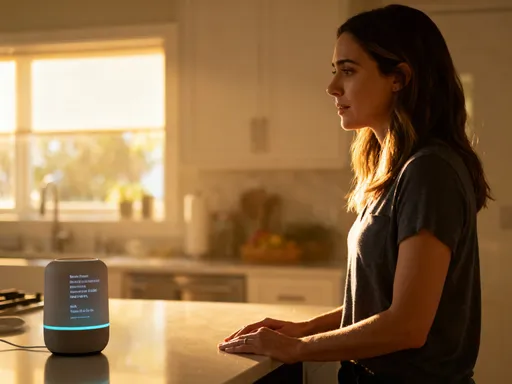
Cut my learning time in half: How short video tutorials changed my daily routine
Remember that hobby you kept putting off because it “takes too long to learn”? I felt the same—until I started using short video tutorials in small daily moments. No more waiting for weekends or perfect conditions. I learned cooking basics while the coffee brewed, fixed my posture during work breaks, and even picked up beginner Spanish on weekday evenings. These tiny lessons didn’t just teach me skills—they reshaped how I see time, growth, and effort. Turns out, real progress isn’t about big leaps. It’s about smart, simple steps that fit your life.
The Myth of “Big Time” for Big Growth
How many times have you told yourself, “I’ll start when I have more time”? I know I have. For years, I believed that learning something new meant blocking off entire weekends, clearing the house of distractions, and sitting down with full focus. I signed up for online courses in meal planning, home organization, and even basic photography—only to let them collect digital dust. The truth? I wasn’t lazy. I was just setting myself up for failure by believing that growth only happens in big, uninterrupted chunks of time.
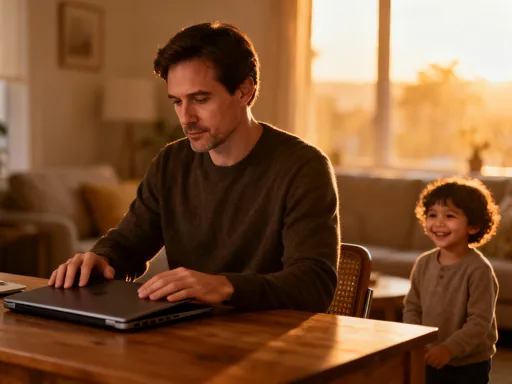
Life with kids, chores, and work doesn’t wait for perfect moments. There’s always someone needing something, a meal to prepare, or an unexpected errand. Waiting for the ideal window meant I never started. Then I had a realization: what if I stopped trying to carve out time and started using the time I already had? That’s when I discovered the power of short video tutorials—two, three, or five minutes of focused learning that I could fit into the in-between moments of my day.
It wasn’t about motivation or discipline. It was about design. Instead of fighting my schedule, I began working with it. A two-minute clip on knife safety while prepping dinner. A three-minute breathing exercise during a school pickup wait. These weren’t grand achievements, but they added up. And slowly, something shifted. I stopped seeing myself as someone who “never has time” and started seeing myself as someone who learns, even on busy days. The myth of “big time” was broken. Real growth wasn’t waiting for the weekend—it was hiding in the minutes I already owned.
Mornings That Teach: Turning Routines into Learning Moments
Mornings used to be a blur—rushing to get everyone fed, dressed, and out the door. I’d grab my phone while waiting for the coffee to brew or stand in front of the mirror brushing my teeth, scrolling through social media without really seeing anything. It felt like wasted time, but I didn’t know what else to do with it. Then I started replacing that mindless scrolling with purposeful learning.
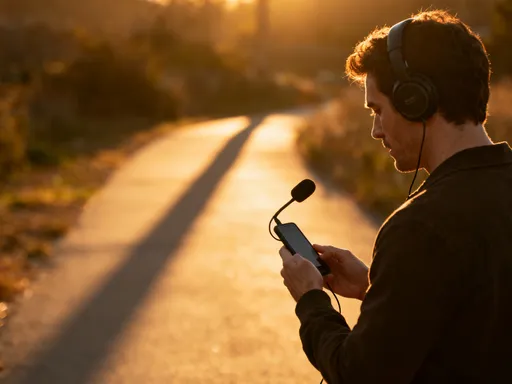
I began wearing wireless earbuds while getting ready and watching short tutorial videos on my phone. Nothing long—just 3 to 5 minutes on things I actually cared about. One morning, I watched a quick clip on proper handwashing techniques before cooking breakfast. The next day, a video on how to store herbs to keep them fresh longer. These weren’t life-changing lessons on their own, but they were practical, and they stuck because I applied them immediately.
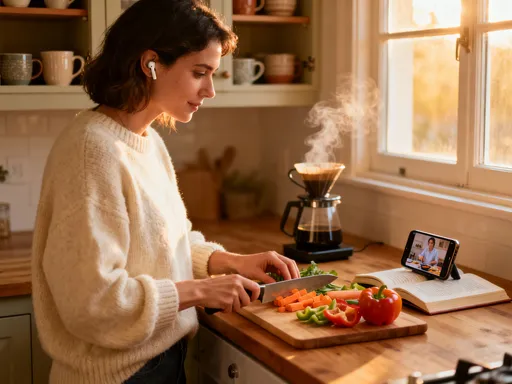
The real magic happened when I started pairing learning with existing habits. For example, I’d watch a short video on knife skills while dicing onions, pausing and replaying the clip between cuts. It wasn’t multitasking—it was layering. I wasn’t adding anything to my plate; I was enhancing what I was already doing. Over time, these micro-lessons built up. I learned how to read nutrition labels, how to organize my pantry efficiently, and even how to do a simple morning stretch routine that helped me feel more awake.
What surprised me most was how calm I started to feel. Instead of rushing through the morning chaos, I felt like I was growing, even in those small moments. The key wasn’t speed or intensity—it was consistency. And because the videos were short and focused, I never felt overwhelmed. I wasn’t trying to become an expert. I was just trying to be a little better, one coffee break at a time.
Work Breaks with Purpose: Learning Instead of Doomscrolling
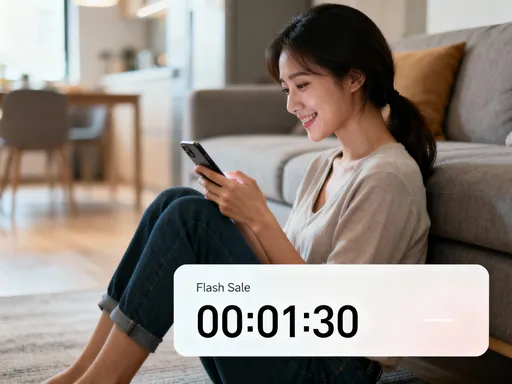
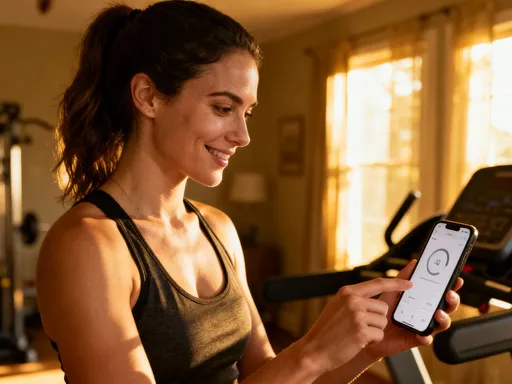
Like so many of us, I used to hit that midday slump and reach for my phone. Ten minutes of scrolling turned into twenty, and before I knew it, I was drained, not refreshed. My breaks weren’t recharging me—they were dragging me down. Then I decided to try something different. What if, instead of scrolling, I used those 10 minutes to learn something small but useful?
I started searching for bite-sized tutorial videos on topics that mattered to me: how to do a quick chair yoga stretch, how to practice mindful breathing, or even how to organize my digital files more efficiently. These weren’t full courses—just 5 to 7 minute clips that required no setup, no equipment, and no long-term commitment. I created a playlist labeled “Quick Focus” and saved it on my phone for easy access.
The first few days felt awkward. I missed the mindless scroll. But after a week, I noticed a shift. I felt more alert after my breaks. My shoulders didn’t ache as much. I even started looking forward to that little pause in the day. One video on time-blocking helped me organize my afternoon tasks more effectively. Another on gratitude journaling inspired me to write down three good things before lunch. These weren’t huge changes, but they added up.
Over time, I realized I wasn’t just learning skills—I was building a calmer, more focused mindset. The videos gave me a sense of control during a busy day. Instead of feeling scattered, I felt grounded. And the best part? I didn’t need motivation. I just needed to press play. These small, intentional choices didn’t just fill time—they transformed it. My work breaks went from draining to empowering, all because I chose learning over scrolling.
Family Time That Grows Everyone: Learning Together Without Pressure
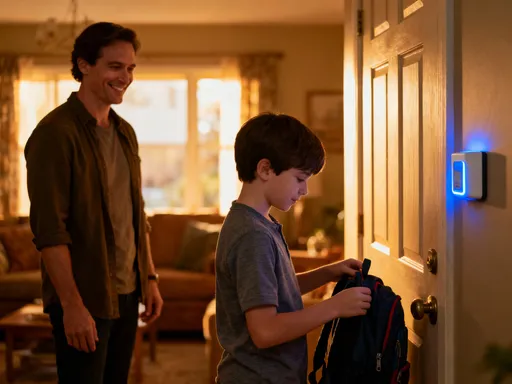
I used to think that teaching my kids meant formal lessons—sitting them down, printing worksheets, or signing them up for expensive classes. But life doesn’t always allow for that. What I’ve learned is that some of the best teaching moments happen casually, without pressure or planning. Short video tutorials have become our secret tool for shared learning.
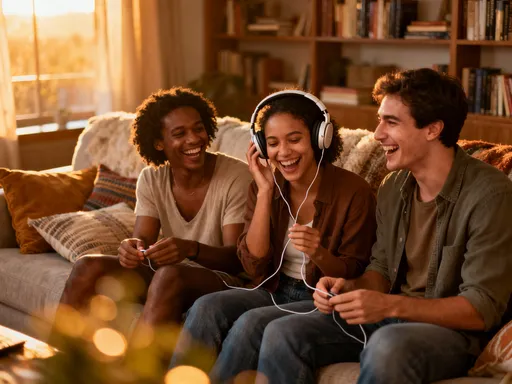
Now, before we start a new activity, we often watch a quick 3- to 4-minute clip together. Before planting herbs in our garden, we watched a short video on how to prepare the soil and space out seedlings. It wasn’t a lecture—it was a fun preview. My daughter asked questions, we laughed at the gardener’s funny hat, and then we tried it ourselves. We didn’t do it perfectly, but we did it together.
Another night, we stumbled on a simple origami tutorial. “Let’s try this!” I said, grabbing some scrap paper. Our first attempts were messy, and the crane looked more like a crumpled napkin. But we kept trying, replaying the video step by step. The final product wasn’t perfect, but the memory was. We were learning, laughing, and connecting—all in under ten minutes.
Even my partner got involved. While doing weekend chores, he found a 3-minute video on how to check tire pressure and change a wiper blade. He watched it once, tried it, and now handles small car maintenance with confidence. These moments aren’t about mastery. They’re about showing up, trying something new, and doing it together. Learning isn’t a chore anymore—it’s part of our family rhythm. And the best part? No pressure, no tests, just shared discovery.
Nighttime Wins: Relaxing While Still Growing
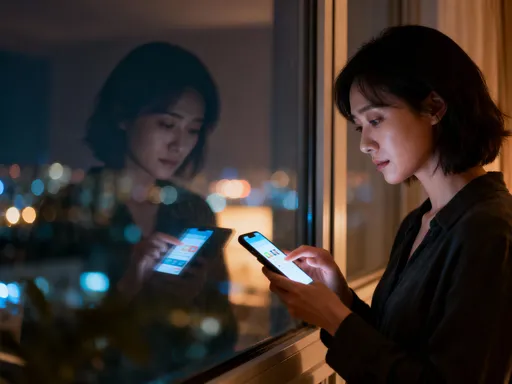
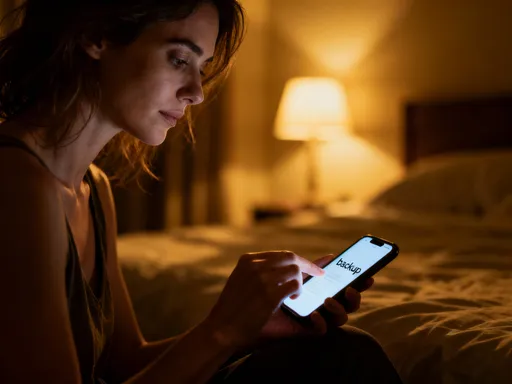
Evenings used to be my guilty pleasure zone. I’d collapse on the couch after a long day and mindlessly scroll or binge-watch shows, often feeling worse afterward. I called it “relaxing,” but it didn’t really recharge me. Then I started experimenting with a new nighttime routine—using short tutorial videos to wind down in a healthier way.
I began searching for calming, low-energy content—things like a 6-minute facial massage tutorial, a gentle breathing exercise, or simple journaling prompts. These weren’t lessons that required energy or focus. They were invitations to slow down. I’d dim the lights, play a soft video, and follow along without pressure. The facial massage became a favorite. I’d do it while listening to quiet music, and surprisingly, I started falling asleep faster.
What I realized was that these videos weren’t just teaching me new habits—they were helping me transition from “doing” to “being.” Instead of overstimulating my brain with fast-paced content, I was giving it space to rest. One video introduced me to a gratitude journaling practice. I started writing down three small things I appreciated each night. It took less than five minutes, but it shifted my mindset. I went to bed feeling lighter, more present, more grateful.
These nighttime tutorials didn’t feel like work. They felt like self-care. And because they were short and soothing, I never resisted them. I didn’t need motivation—I just needed a quiet screen and a few minutes. Over time, this small change improved my sleep, my mood, and my sense of balance. I wasn’t adding more to my day. I was ending it better.
Beyond Skills: How Micro-Learning Builds Confidence and Calm
At first, I thought short video tutorials were just about picking up new skills. But what I didn’t expect was how much they would change the way I see myself. Every time I watched a 4-minute clip on fixing a loose cabinet knob and actually did it, I felt a little more capable. Every time I tried a new recipe step-by-step from a short demo, I felt a little more confident in the kitchen.
These weren’t grand achievements, but they were real. And they added up. I started noticing a shift in my mindset. I wasn’t waiting for someone to teach me or give me permission. I was taking small steps on my own. I learned how to write a simple thank-you note in basic French after a short language clip. I fixed a leaky faucet using a plumbing tutorial. Each “I did it” moment, no matter how small, built a quiet sense of confidence.
More than that, these micro-lessons brought calm. On chaotic days, I could still say, “I learned something today.” That knowledge became an anchor. It reminded me that growth doesn’t require perfection or big time blocks. It just requires showing up, even for two minutes. The videos didn’t demand anything from me except presence. And in return, they gave me a sense of progress, even on days when everything else felt out of control.
This wasn’t about becoming an expert. It was about becoming more capable, more curious, more at peace with myself. The real gift of micro-learning wasn’t the skills—it was the belief that I could grow, one small step at a time.
Making It Stick: How to Start and Keep Going Without Burnout
Starting is easy. We’ve all downloaded an app or saved a video with good intentions. The real challenge is staying consistent without burning out. I’ve learned a few things the hard way—like trying to watch five videos a day and feeling overwhelmed, or picking topics just because they were trendy, not because I actually needed them.
What works for me now is simplicity. I keep a playlist of trusted creators whose teaching style I enjoy. I limit myself to one or two short videos a day—never more. I choose topics that solve real problems: how to pack a healthier lunch, how to declutter a drawer, how to respond calmly when stressed. These aren’t random lessons. They’re tools for the life I’m actually living.
I also don’t track progress with apps or checklists. Instead, I notice the small changes. I cook more confidently. I pause before reacting when I’m frustrated. My family laughs more during our little learning moments. These are my real metrics. And when I feel like skipping a day? I do. There’s no guilt. The system works because it’s flexible, not rigid.
If you’re thinking of trying this, start small. Pick one daily routine—morning coffee, lunch break, bedtime—and attach one short tutorial to it. Let it become a habit, not a chore. Over time, you’ll find that learning isn’t something you “fit into” your life. It becomes part of the rhythm of your life. The goal isn’t mastery. It’s meaningful, joyful growth that feels natural, not forced.
Learning That Fits, Not Fits Into
Real growth doesn’t need grand plans or perfect conditions. It needs moments—small, honest, and repeated. Short video tutorials taught me that learning isn’t about how much time you have. It’s about how you use the time you already own. When I stopped waiting for the “right” moment and started using the moments I had, everything changed.
These tiny lessons didn’t just fill minutes. They filled my life—with calm, with confidence, with quiet joy. I’m not a different person. I’m just a little more capable, a little more present, a little more myself. And that’s enough. This isn’t about becoming an expert or keeping up with trends. It’s about growing in ways that matter to you, at a pace that feels right. One short video at a time, I’m learning not just new skills—but a new way to live. And honestly? I wouldn’t trade those small moments for anything.