It’s Not Just About Calling: How Voice Tools Helped Me Connect More Meaningfully Every Day
Have you ever felt like you're talking more but actually connecting less? I used to rush through calls with family, multitask during work check-ins, and forget half of what was said. Then I started using voice calling tools differently—not just to speak, but to listen better, stay present, and grow. These small shifts didn’t just improve my conversations; they changed how I show up in relationships, at work, and for myself. This is what real communication feels like.
The Quiet Crisis of Misconnected Conversations
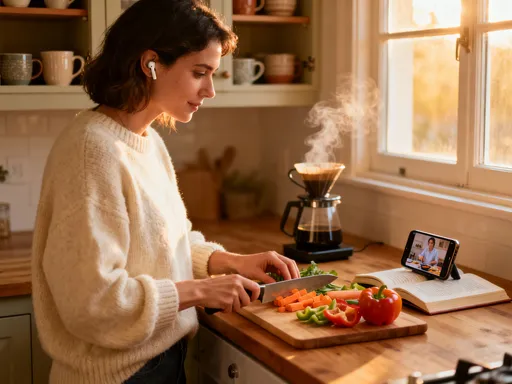
Remember that moment when your child excitedly starts telling you about their school play, and you’re halfway through a work call on speakerphone, nodding along while stirring dinner? I do. And I still feel that pang of guilt. We’re all trying to do more in less time, but somewhere along the way, we’ve confused busyness with connection. We pick up the phone dozens of times a day, yet so many of us go to bed feeling lonely, unheard, or emotionally drained. That wasn’t just my imagination—it’s a quiet crisis happening in homes, offices, and hearts everywhere.
I used to think I was great at multitasking. I’d take personal calls while folding laundry, jump on team meetings while answering emails, and leave voicemails while driving. But the truth? I wasn’t really present in any of it. I’d miss key details, forget follow-ups, and end up repeating myself. My daughter once asked, “Mom, were you even listening?” and I realized—no, not really. I was hearing, but I wasn’t connecting. That moment hit me hard. How many other conversations had I brushed past, mistaking volume for meaning?
And it wasn’t just at home. At work, back-to-back Zoom calls left me exhausted, not energized. I’d walk away from a 45-minute meeting with no clear next steps, wondering why we’d even bothered. The tools were supposed to make communication easier, but instead, they were making it shallower. We were talking more, but understanding less. The problem wasn’t the technology itself—it was how we were using it. We’d turned voice into a transaction, not a relationship. And that’s when I decided to try something different.
Finding Clarity: When I Stopped Just Talking and Started Listening
The shift started with a simple realization: I wasn’t using my voice tools to connect—I was using them to check boxes. Answer the call. Leave the message. Move on. But what if I could use the same tools to slow down instead of speed up? What if technology could help me be more present, not less? That’s when I began experimenting—not with new gadgets, but with new habits.
One of the first changes I made was switching from rushed phone calls to voice notes for certain conversations. Instead of interrupting my focus with a live call, I’d record a thoughtful message when I had a quiet moment. My sister and I started exchanging short voice updates in the evenings—just two or three minutes about our days. At first, it felt strange. But soon, I noticed something beautiful: her voice carried emotions that text could never capture. I could hear when she was tired, when she was proud, when she needed support. And when I replied, I took time to choose my words, not just fire off a quick text.
I also began using a tool that automatically summarizes calls—something I was skeptical about at first. But it turned out to be a game-changer. After a work meeting, I’d get a short written recap with key points and action items. No more frantic note-taking or wondering who was supposed to do what. It freed up mental space. More importantly, it let me actually listen during the call instead of scribbling everything down. I wasn’t just hearing words—I was absorbing meaning. And that made all the difference.
These weren’t dramatic overhauls. No new headset, no complicated software. Just small adjustments in how I approached voice communication. But over time, they added up. I started feeling more in control, more connected, more like myself in my conversations. And that’s when I realized: the tools weren’t the enemy. It was the mindset that needed to change.
Voice as a Tool for Daily Growth, Not Just Tasks
We often think of voice calls as tools for logistics—scheduling appointments, confirming plans, checking in on errands. But what if we used them for something deeper? What if our voices could help us grow, reflect, and track progress in ways we never imagined?
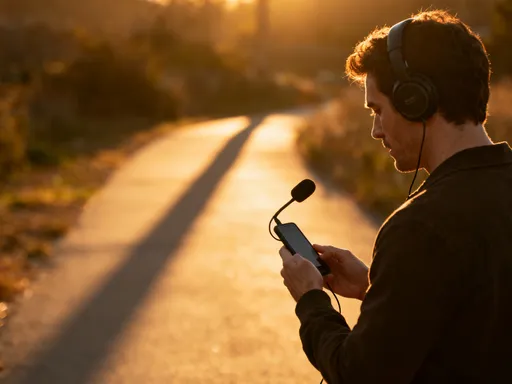
About a year ago, I started a simple practice: voice journaling. Every Sunday evening, I’d spend 10 minutes talking into my phone, not writing. I’d reflect on the week—what went well, what felt hard, what I wanted to improve. At first, it felt awkward. Who talks to themselves like that? But soon, I noticed patterns. I could hear my own confidence growing. I began catching negative self-talk and reframing it in real time. And because the app I used had secure transcription, I could go back and read my entries later, spotting trends I’d never see on paper.
Voice became a mirror for my inner world. I started using it for goal setting too. Instead of typing out a to-do list, I’d record a short message: “This week, I want to feel more patient with the kids. I’ll pause before reacting when I’m stressed.” Hearing my own voice say it made it real. It wasn’t just a plan—it was a promise.
I also began scheduling monthly voice calls with a mentor—a woman I deeply admire. We didn’t meet in person; we didn’t even video chat. Just voice. And something about that made the conversation feel more intimate, more focused. Without visual distractions, we listened more deeply. I’d record our calls (with her permission) and listen back later, catching insights I’d missed the first time. Over time, those calls became a cornerstone of my personal growth. They weren’t about fixing problems—they were about evolving.
The beauty of using voice this way is that it’s accessible. You don’t need a fancy device or a subscription. Just a quiet corner and the willingness to speak your truth. And when you do, you start to see voice not as a tool for noise, but for clarity. It’s not about talking more—it’s about understanding yourself better.
Bridging Distances Without Losing Warmth
When my mom moved across the country, I worried we’d grow apart. We’d always been close, but now she was three time zones away, and our texts felt cold and rushed. “How are you?” “Fine.” “Love you.” “Love you too.” That was it. No stories, no laughter, no real connection. I knew we needed more, but neither of us wanted long, formal phone calls that felt like interviews.
So we tried something small: a two-minute voice check-in every Tuesday and Friday. No agenda. No pressure. Just a quick “thinking of you” message. I’d record mine while walking the dog, and she’d listen while making her morning tea. Sometimes I’d share a funny thing the kids said. Sometimes she’d tell me about the new flowers she planted. It wasn’t much, but it was consistent. And slowly, something shifted.
Those little messages kept us close in a way texts never could. I could hear her smile when she talked about her garden. I could tell when she was tired and needed me to call back later. And because the app we used was simple—no passwords, no downloads, just a link she could click—she never felt overwhelmed by tech. For her, it felt human.
My brother joined in too. He started sending voice notes to our dad, who has mild hearing loss. The app we chose has a feature that slows down playback and enhances clarity, so Dad could understand every word without asking us to repeat ourselves. That small upgrade reduced frustration for everyone. Now, instead of dreading phone calls, Dad looks forward to them. He even started leaving voice messages for us—something he never did before.
What I’ve learned is that distance doesn’t have to mean disconnection. With the right tools—simple, warm, designed for real people—we can keep love alive across miles. It’s not about the length of the call. It’s about the quality of the presence. And when technology removes the friction, what’s left is the heart of the conversation.
Smarter Work Conversations, Less Mental Load
Let’s be honest—remote work changed everything. I used to miss the office, but now I miss the boundaries. Meetings bleed into lunch. Calls stack up like unread emails. And after a full day of talking, I often feel like I’ve accomplished nothing. Sound familiar?
I hit my breaking point last winter. I had seven calls in one day, and by the end, I couldn’t remember who said what or what I was supposed to follow up on. I was exhausted, not from the work, but from the mental effort of keeping track. That’s when I decided to rethink how I used voice tools at work—not to add more tasks, but to reduce the load.
One of the most helpful changes was using a tool that sends automatic follow-up prompts after a call. After a team meeting, I’d get a message: “Would you like to send a summary to the group? Here are the key points.” I could review, edit, and send with one click. No more scrambling to write recaps. No more wondering if I missed something. My team started relying on these summaries, and our communication became clearer and faster.
I also began using collaborative playback for project reviews. Instead of scheduling another meeting, we’d record our feedback on the same audio thread. I’d listen on my commute, leave my thoughts, and tag teammates when needed. It saved hours of meeting time and allowed everyone to contribute at their own pace. The best part? People sounded more thoughtful. Without the pressure of speaking on the spot, they shared deeper insights.
And for one-on-ones with my manager, I started using a tool that tracks recurring themes over time. It doesn’t record the calls, but with my permission, it highlights patterns—like how often I mention workload or confidence. Seeing those trends helped me prepare better and advocate for myself. It wasn’t about surveillance—it was about self-awareness.
These tools didn’t make me work more. They helped me work smarter. I spend less time in meetings, remember more, and feel more in control. And that extra mental space? I use it to breathe, to think, to be present—both at work and at home.
Making Technology Feel Human Again
We’ve all had that moment: you call customer service, and a robotic voice asks you to press numbers while you just want to talk to a real person. It’s frustrating. It’s dehumanizing. And it’s why so many of us feel like technology has lost its soul.
But what if tech could feel more like a helper and less like a hurdle? I’ve started paying attention to the tools that get this right—the ones designed with empathy, not just efficiency. For example, some voice apps now use natural-sounding voices that pause, breathe, and adjust tone—just like a real person. When I use them, I don’t feel like I’m talking to a machine. I feel heard.
Another thing I’ve noticed: the best tools adapt to me, not the other way around. They remember my preferences. They suggest the right time to call based on my schedule. They even detect when I sound stressed and offer a breathing exercise before a big meeting. That’s not sci-fi—that’s thoughtful design. It’s technology that serves the human, not the other way around.
I’ve also become more intentional about which tools I invite into my life. I don’t use every feature. I don’t download every app. I choose the ones that align with my values—simplicity, privacy, warmth. And I’ve learned to say no to the ones that feel cold or invasive. Just because something is new doesn’t mean it’s better.
When technology respects our humanity—our pace, our emotions, our need for connection—it stops being a distraction. It becomes a bridge. And that’s the kind of innovation I want in my life: not flashy, not loud, but quietly supportive. The kind that helps me show up as my best self, without asking me to become someone else.
Building a Life Where Communication Flows Naturally
Looking back, I realize the changes I’ve made weren’t about mastering technology. They were about reclaiming my attention, my presence, my voice. I didn’t need to do more—I needed to do less, but with more care. And in that space, real connection grew.
Today, my calls feel different. I’m not just responding—I’m listening. I’m not just speaking—I’m sharing. Whether it’s a 30-second voice note to my sister or a recorded reflection on my week, I feel more grounded in my conversations. I’m more patient. More present. More myself.
My relationships have deepened. My work feels more aligned. And I’ve discovered something unexpected: voice has become a form of self-care. Taking a moment to speak my truth, to hear a loved one’s laugh, to reflect on my growth—that’s not a luxury. It’s a necessity.
I’m not perfect. Some days I still rush. Some calls still feel like chores. But now I have tools and habits that help me reset. I can pause, breathe, and choose presence over productivity. And that small shift makes all the difference.
If you’re feeling overwhelmed by the noise of modern communication, I want to invite you to try something simple. Pick one call this week and approach it differently. Put down your phone. Close your laptop. Just listen. Or send a voice note instead of a text. Let your voice carry what words on a screen cannot.
Because real communication isn’t about how fast we respond. It’s about how deeply we connect. And with the right tools—and the right intention—we can make every conversation matter. Not just for others, but for ourselves. That’s the life I’m building. And I hope you’ll build it with me.