I’ll just check my profile real quick” turned into hours lost — until I learned to put dating apps in their place
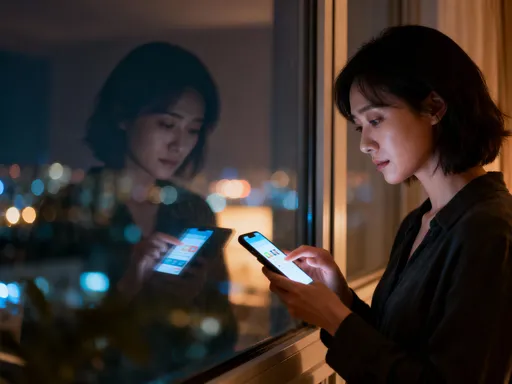
"I'll just check my profile real quick." That's what I told myself one quiet Tuesday night, phone in hand, pajamas on, tea cooling beside me. Two hours later, I was still scrolling — not matching, not even reading messages, just swiping. Up, down, left, right. Another face, another bio, another fleeting sense of possibility that faded as soon as it appeared. I wasn't looking anymore. I was just moving. And that moment — small, silent, and strangely familiar — was the start of my wake-up call. Because this wasn’t just about dating. It was about how something designed to bring connection had quietly become a thief of time, energy, and peace. This is how I took my life back — one mindful choice at a time.
The First Spark: How I Fell Into Online Dating (Without Thinking)
Like so many women I know, I didn’t start online dating with a grand plan. There was no vision board or checklist. I downloaded the app on a rainy Sunday afternoon, half out of curiosity, half because a friend nudged me. "You never know," she said, handing me her phone to show a cute match she’d made. "It’s just another way to meet people." And honestly? That sounded harmless. Maybe even fun. I was in my late 30s, freshly out of a long relationship, and though I wasn’t desperate, I did miss the spark — the thrill of getting to know someone new, the butterflies, the late-night texts that made me smile. Real life felt slow. Work was busy, my kids were growing up fast, and my social circle had settled into comfortable routines. I wanted something fresh. Something light. Something that felt like it was just for me.
At first, it was exactly that. Every match felt like a tiny win. A little ping in my pocket — "You’ve got a match!" — and suddenly my evening had a highlight. I’d read the message, smile, craft a thoughtful reply, imagine his voice, his laugh. I’d show screenshots to my sister, we’d speculate about his job, his hobbies, whether he really cooked that pasta dish he posted. It felt exciting, almost like a game — but a sweet one, full of potential. I wasn’t looking for forever right away. I just wanted to feel seen. And for a while, the app gave me that. It was easy. No awkward introductions at parties. No pressure. Just me, my phone, and a stream of new possibilities. But ease, I’ve learned, can be dangerous. Because the easier something feels, the less we question it. And I didn’t question it — not at first. Not until the excitement started to feel more like a habit than a choice.
When “Just One More Swipe” Became a Daily Pattern
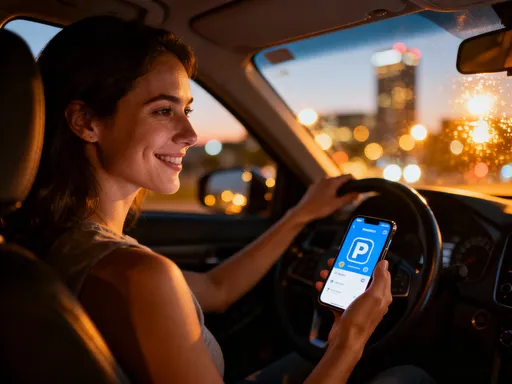
It happened so slowly I didn’t notice. One day, I was checking my profile after dinner. The next, I was swiping during breakfast. Then it was in the car while I waited to pick up my daughter from dance class. Then — and this one still makes me cringe — I was glancing at my phone mid-conversation with a friend, just to see if I’d gotten a new message. I’d tell myself, "Just one more swipe," or "I’ll stop after this round," but there was no round. No finish line. Just an endless loop of profiles, photos, bios that started to blur together. I wasn’t even looking for love anymore. I was just… scrolling. And the worst part? I didn’t feel in control.
Looking back, I can see how perfectly the app was designed to keep me hooked. Every match, every message, every little heart or wink was a tiny burst of dopamine — that feel-good chemical our brains love. And because the rewards were unpredictable — sometimes a great conversation, sometimes silence — I kept coming back, like pulling the lever on a slot machine. "Maybe this one will be different," I’d think. "Maybe this message will lead to something real." That’s called variable reinforcement, and it’s one of the most powerful tools in behavioral psychology. Social media, games, dating apps — they all use it. And it works. But what it doesn’t tell you is the cost. I was sacrificing real moments — quiet mornings with my coffee, bedtime stories with my kids, deep talks with friends — for the ghost of a maybe. I wasn’t connecting. I was escaping. And the more I escaped, the more disconnected I felt.
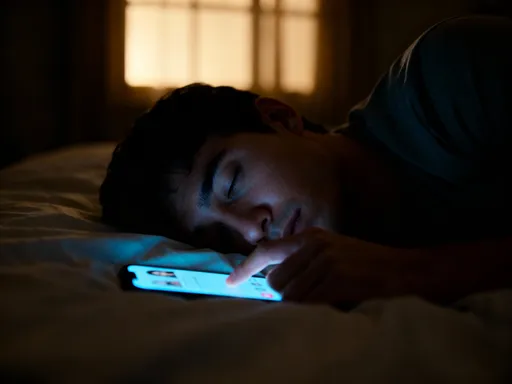
I remember one night clearly. It was past midnight. My husband — no, my ex-husband — would’ve been asleep by then. My kids were in bed. The house was quiet. And there I was, lying on the couch, bathrobe pulled tight, phone glowing in the dark. I hadn’t gone on a single date in weeks. I hadn’t even replied to most of my matches. But I was still scrolling. And in that moment, it hit me: this wasn’t helping me find love. It was keeping me from living my life. I wasn’t waiting for someone to come along. I was hiding.
The Cost of Connection: What I Was Actually Losing
At first, I thought the biggest loss was time. And yes, I’d wasted hours — maybe even days — swiping instead of sleeping, reading, or just being still. But the deeper cost was emotional. I started to notice a shift in how I felt about myself. Every time someone didn’t reply, I’d wonder: Was my photo not good enough? Was my bio too boring? Did I seem too serious? Too available? Too busy? The app turned me into a constant self-editor, always second-guessing, always performing. And the more I did it, the more I started to believe the lie that my worth was tied to how many matches I got, how fast someone replied, or how many compliments I received.
I began comparing myself to the women on the app — their bodies, their smiles, their seemingly perfect lives. I’d see a 35-year-old with a beach body, a startup, and a rescue dog, and think, "No wonder she gets 50 likes a day." Meanwhile, I was a working mom with stretch marks and a minivan, and I loved my life — but in those moments, I didn’t feel like enough. And that’s the irony of dating apps: they promise connection, but they often deliver isolation. I was surrounded by people — digital ones — but I felt lonelier than ever. Because none of it was real. Not the compliments, not the flirty messages, not the "Hey, you’re beautiful" that led nowhere. And the real relationships in my life started to suffer. I’d be with my best friend for coffee, but my mind was elsewhere — wondering if so-and-so had messaged back. I’d cancel plans because I was "too tired," when really, I just wanted to stay home and scroll. My hobbies — painting, hiking, journaling — fell by the wayside. I wasn’t making space for joy. I was filling every quiet moment with noise.
And here’s what no one talks about: the emotional exhaustion. Dating apps make you feel like you’re always on a first date — performing, filtering, trying to impress. But without the payoff of real connection, it’s draining. It’s like running on a treadmill: you’re moving, but you’re not going anywhere. And over time, that takes a toll. I wasn’t just losing time. I was losing my sense of self.
Reclaiming My Time: Setting Boundaries That Actually Worked
The turning point came when I realized I didn’t have to quit — I just had to change how I used the app. I didn’t hate dating. I didn’t even hate the app. I hated how it made me feel: distracted, anxious, and small. So I decided to take back control. Not with willpower — I’d tried that. I’d failed that. Instead, I used practical, simple boundaries that didn’t feel like punishment, but like self-care.
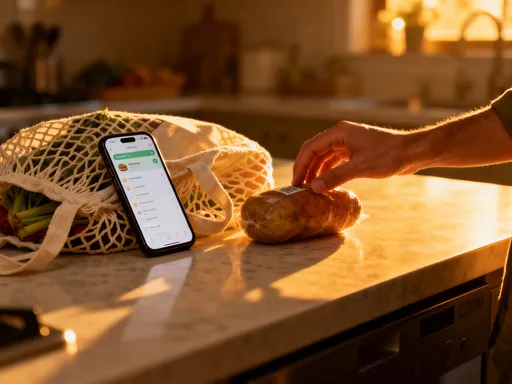
First, I set a daily time limit. I used the screen time feature on my phone to cap my app usage at 20 minutes a day. When the timer went off, the app locked. No more "just one more swipe." That alone changed everything. Suddenly, I had to be intentional. I couldn’t waste my 20 minutes on random scrolling. I had to make them count. Next, I moved the app off my home screen. Out of sight, out of mind — it sounds simple, but it worked. I had to actually search for the app to open it, which created a pause. That pause gave me a chance to ask: "Do I really want to do this right now?" Most of the time, the answer was no.
I also turned off all non-essential notifications. No more pings, no more pop-ups, no more "Someone liked your photo!" flashing on my lock screen. That removed the constant temptation to check. And I started scheduling my app time — yes, like an appointment. Every day after lunch, for exactly 20 minutes, I’d open the app, check my messages, reply to a few, and close it. No more late-night scrolling. No more checking during family time. It became a task, not a habit. And the more I stuck to it, the more I noticed how much calmer I felt. I wasn’t chasing validation anymore. I was using the tool — not the other way around.
From Passive Swiping to Intentional Engaging
Once I stopped using the app as a distraction, I started using it with purpose. Instead of swiping through hundreds of profiles, I limited myself to a few a day — the ones that genuinely interested me. I read bios carefully. I looked for shared values, not just good photos. And when I matched, I didn’t just say "Hey." I wrote real messages — thoughtful, warm, and specific. "I saw you love hiking — I just did the Blue Ridge trail last weekend. Have you been?" or "Your dog is adorable! What’s her name?" Those small efforts made a big difference. The conversations felt more meaningful. The connections felt more real.
I also started being honest about what I wanted. No more pretending I was "just seeing where things go." If I was looking for something serious, I said so — kindly, but clearly. And guess what? The right people responded. The ones who weren’t ready for commitment? They faded away. And that was okay. I wasn’t trying to please everyone. I was trying to find someone who fit my life — not someone I had to change myself for. Slowing down didn’t mean fewer matches. It meant better ones. And for the first time, I felt like I was dating from a place of strength, not insecurity.
One match in particular stands out. His name was David. We didn’t match with fireworks. No instant back-and-forth. But our messages were steady, kind, and full of curiosity. We talked about books, parenting, our favorite movies, the way we both loved rainy mornings. It took us two weeks just to agree on a coffee date. But when we met, it felt natural. Easy. Like we’d known each other for years. That connection — real, slow, and grounded — never would have happened if I’d been lost in the swipe storm. I had to clear the noise to hear the right voice.
Making Space for Real Life — And Rediscovering What Matters
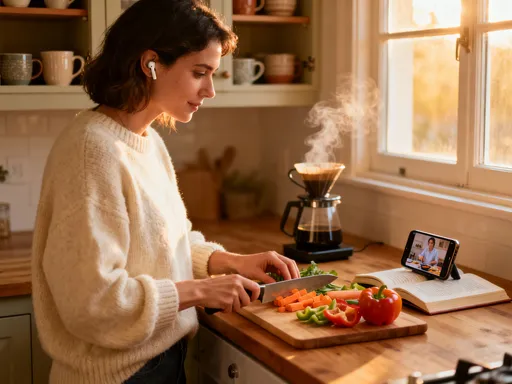
The most surprising part of this journey wasn’t finding someone. It was finding myself. When I stopped filling every quiet moment with the app, I noticed how much beauty was already in my life. I started painting again — messy watercolors of flowers and sunsets. I joined a local hiking group and reconnected with women who’d become friends, not potential matches. I read novels instead of bios. I laughed more. I slept better. I was present — with my kids, my friends, my own thoughts.
And slowly, my confidence grew. Not the kind that comes from getting likes or matches, but the deep, quiet kind that comes from knowing you’re enough — just as you are. I wasn’t waiting for someone to complete me. I was becoming someone I respected. And that shift changed everything. Because when you stop looking for love to fix you, you become the kind of person love wants to find.
I still use the app — but now, it’s on my terms. I open it when I choose to, not when I’m bored or lonely. I’ve gone months without logging in, and that’s okay. Because my life isn’t on hold. It’s happening — right here, right now. And that’s where I want to be.
A Healthier Relationship With Tech — And Myself
This journey taught me something bigger than how to use a dating app wisely. It taught me how to live with intention. Technology isn’t the enemy. It’s a tool — powerful, yes, but neutral. It can connect us or distract us. It can empower us or exhaust us. The difference isn’t in the app. It’s in how we use it. And how we use it starts with how we see ourselves.
When I was swiping mindlessly, I was outsourcing my worth to a screen. When I set boundaries, I reclaimed it. I learned that real connection — with others, with myself, with life — doesn’t come from constant availability or endless options. It comes from presence. From showing up. From being willing to sit with silence, with stillness, with the messy, beautiful reality of being human.
If you’re reading this and recognizing your own story — the late-night scrolling, the emotional drain, the feeling that you’re missing out while also burning out — I want you to know: you’re not alone. And you don’t have to quit. You just have to reset. Start small. Turn off the notifications. Set a time limit. Move the app. Ask yourself, every time you open it: "Why am I doing this?" Is it to connect? Or to escape? The answer matters.
Because the best relationship you’ll ever have isn’t the one you find on an app. It’s the one you build with yourself. And when you honor that relationship — with boundaries, with kindness, with truth — everything else falls into place. You don’t need more matches. You need more moments. More breath. More peace. More of your own life. And that? That’s worth swiping for.