How I Survived a Job Loss — My Real Asset Move That Kept Me Afloat
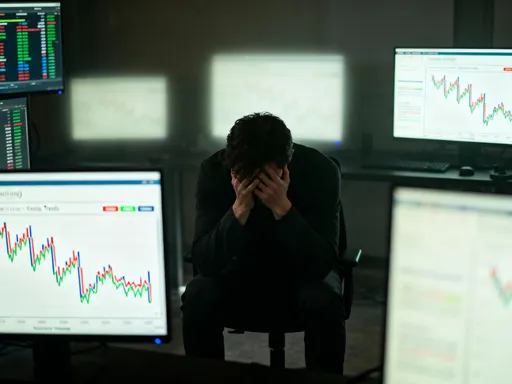
Losing my job hit harder than I expected—not just emotionally, but financially. Overnight, my income vanished, and panic set in. But one thing saved me: how I had arranged my money *before* the crisis. It wasn’t about having a huge emergency fund—it was about smart asset allocation. I’ll walk you through the exact strategy I used, what worked, what didn’t, and how you can prepare *now* so you’re never caught off guard. This is not a story of sudden wealth or a lucky break. It’s about making calm, calculated decisions when stress clouds judgment. And it all started with recognizing that savings alone are not enough when the paycheck stops.
The Moment Everything Changed
The email arrived on a Tuesday morning—short, impersonal, and final. I was laid off. No warning, no performance review, no conversation. Just a calendar invite for an HR call and a notice that my access to company systems would end by 5 p.m. I sat at my kitchen table, staring at the screen, feeling a mix of disbelief and dread. My salary had covered everything—mortgage, groceries, health insurance, the kids’ after-school programs. And now it was gone.
In the first 48 hours, I made three financial mistakes. First, I checked my investment accounts and nearly sold everything out of fear. The market had dipped that week, and I convinced myself I was about to lose even more. Second, I considered withdrawing from my 401(k), forgetting the 10% early withdrawal penalty and the tax hit. Third, I stopped paying attention to my budget, assuming that since I wasn’t earning, I could just coast on credit for a while. None of these choices were rational, but they were human. Fear makes us reactive. And being reactive with money, especially during unemployment, can turn a temporary setback into a long-term crisis.
What pulled me back was a conversation with my sister, who had gone through a similar layoff two years earlier. She didn’t offer sympathy—she asked one question: “Do you know where your money is?” That simple question changed everything. I realized I had never truly mapped out my financial structure. I knew my account balances, but I didn’t have a plan for how to use them in a crisis. That’s when I began to rebuild—not just my job search, but my entire approach to personal finance. The journey wasn’t easy, but it taught me that resilience isn’t about how much you earn. It’s about how you arrange what you already have.
Why Asset Allocation Matters More Than Savings Alone
For years, I thought I was doing well financially. I had a stable job, a growing savings account, and I even maxed out my 401(k) contributions. I believed I was prepared for emergencies. But when I lost my job, I quickly learned a hard truth: having savings is not the same as having accessible, usable funds. Most of my money was either locked in retirement accounts or sitting in a checking account earning no interest. The savings I thought would carry me through were actually illiquid or inefficient when I needed them most.
This is where asset allocation became my lifeline. Asset allocation is the practice of dividing your money across different types of investments based on your goals, timeline, and risk tolerance. Most people think of it as a tool for growing wealth. But in a job loss scenario, its real power lies in preserving stability. When income stops, the goal is no longer growth—it’s survival. And survival requires structure.
I discovered that a small portion of my portfolio, about 15%, was in short-term bonds and money market funds—assets I had chosen years earlier for diversification. At the time, I didn’t think much of them. They didn’t offer big returns. But when my paycheck disappeared, these low-volatility holdings became my most valuable resources. They were liquid, safe, and provided just enough yield to offset inflation without risking principal. Meanwhile, the rest of my investments—stocks and real estate funds—remained untouched. I didn’t panic-sell. I let them ride, knowing I didn’t need that money immediately.
The lesson was clear: a well-allocated portfolio isn’t just for retirement planning. It’s a financial shock absorber. It gives you options when you’re under pressure. Savings alone can run out quickly, especially if you’re not disciplined. But when your money is organized into purpose-driven buckets, you gain control. You stop reacting and start managing. That shift—from fear to strategy—is what separates those who survive a job loss from those who spiral into debt.
The Three Buckets That Saved Me
During my job search, I developed a simple but powerful framework I now call the “Three Bucket Strategy.” It helped me manage my finances with clarity and confidence, even when uncertainty was high. The idea is straightforward: divide your available assets into three categories based on when and how you’ll need them. Each bucket serves a specific purpose, and together, they create a timeline for financial resilience.
Bucket 1 was for immediate needs—cash I could access within days. This included three months of essential living expenses: rent, utilities, groceries, insurance, and minimum debt payments. I kept this in a high-yield savings account, separate from my regular checking. The key was accessibility and safety. I didn’t want to worry about market swings or withdrawal delays. This bucket gave me breathing room to focus on job applications without constantly checking my balance.
Bucket 2 covered months four to six of unemployment. This was where I placed stable, liquid assets like short-term Treasury bonds, laddered CDs, and a portion of my money market fund. These weren’t high-growth investments, but they offered modest returns with minimal risk. More importantly, they were structured to mature at different times, so I could access funds gradually without selling at a loss. This bucket acted as a bridge—if I hadn’t found a job in three months, I had a clear plan for the next phase.
Bucket 3 was my backup—longer-term holdings I could tap only if absolutely necessary. This included a portion of my brokerage account with diversified ETFs and a small real estate investment trust. I set strict rules: no withdrawals unless I went beyond six months without income. I also committed to only selling portions slowly, never in a panic. This bucket wasn’t meant to be used, but knowing it was there reduced anxiety. It was my financial safety net, not my first resort.
The beauty of this system was that it removed emotion from decision-making. Instead of asking, “How much can I spend today?” I asked, “Which bucket does this expense belong to?” It created discipline without deprivation. I still took my kids out for ice cream on weekends. I didn’t cut every luxury. But I did so consciously, knowing I wasn’t jeopardizing my long-term stability.
What to Keep—and What to Avoid—When Income Stops
When the paycheck stops, it’s easy to make financial decisions based on emotion rather than logic. I learned this the hard way. One of my biggest regrets was trying day trading during month two of unemployment. I had watched a few online videos about “quick gains” and convinced myself I could turn $5,000 into enough income to cover another month. Within three weeks, I lost over 40% of that amount. The market moved fast, I didn’t understand the risks, and I let hope override caution. That experience taught me a critical rule: never chase returns when you can’t afford to lose.
Another common trap is tapping retirement accounts early. It’s tempting—your 401(k) or IRA might look like a pile of accessible cash. But the reality is harsh. Withdrawing before age 59½ triggers a 10% penalty plus ordinary income taxes. That means a $10,000 withdrawal could cost you $2,500 or more in penalties and taxes, leaving you with far less than expected. More importantly, you lose the long-term compounding that makes retirement accounts powerful. I considered it, but after running the numbers, I realized it would do more harm than good.
I also avoided high-fee financial products marketed as “emergency solutions.” These include high-interest personal loans, cash advance apps with hidden charges, and even some insurance-secured loans that promise quick access but come with steep costs. While they might seem like a lifeline, they often create new debt that’s harder to escape than the original problem. Instead, I focused on low-cost, transparent options—like federal unemployment benefits, grace periods offered by lenders, and nonprofit credit counseling if needed.
What I kept were low-risk, predictable assets: high-yield savings, insured deposits, government-backed securities, and dividend-paying funds with a history of stability. These didn’t make headlines, but they performed exactly as expected. They didn’t lose value in market dips, and they were always accessible when I needed them. In a crisis, predictability is more valuable than performance. The goal isn’t to get rich—it’s to stay afloat without sinking deeper.
Adjusting Risk Without Sacrificing Stability
One of the most important financial shifts I made during unemployment was rebalancing my portfolio—not to grow wealth, but to protect it. Before my job loss, my investments were tilted toward growth. I held a mix of domestic and international stocks, tech ETFs, and some higher-risk sector funds. That made sense when I had a steady income and a long time horizon. But when that income disappeared, my priorities changed. I no longer cared about beating the market. I cared about not losing what I had.
I began shifting a portion of my equity holdings into short-term instruments: Treasury bills, floating-rate funds, and FDIC-insured bank products with maturities under one year. These assets don’t offer high returns, but they are extremely safe and liquid. They also tend to perform well when interest rates are rising, which was the case at the time. By moving just 20% of my portfolio into these instruments, I reduced my exposure to market volatility without locking up my money.
Timing didn’t matter as much as structure. I didn’t try to predict market lows or highs. Instead, I focused on creating a stable foundation. For example, I sold some of my tech stocks—not because I thought they would crash, but because they were more volatile than I could afford to handle emotionally. I reinvested the proceeds into a diversified bond fund with a low expense ratio and a track record of steady returns. It wasn’t exciting, but it gave me peace of mind.
I also paused automatic contributions to growth-oriented funds. There was no point adding to a risky portfolio when I wasn’t earning. Instead, I redirected any small side income—like freelance work or selling unused items—into Bucket 1 or 2. This ensured that every dollar coming in was going toward stability, not speculation. The shift wasn’t about giving up on growth forever. It was about recognizing that different life stages require different financial strategies. When you’re unemployed, preservation is the priority. Growth can wait.
Building Flexibility Into Your Financial Plan
One of the most valuable lessons I learned was the importance of flexibility. A rigid financial plan can break under pressure. But a flexible one can adapt. During my job search, I realized that unemployment isn’t a fixed timeline. Some people find jobs in weeks. Others take months. My plan needed to accommodate uncertainty, not assume a best-case scenario.
I built flexibility by staggering access to my funds. Instead of putting all my emergency savings into one account, I used a CD ladder—five certificates of deposit with maturities every three months over a 15-month period. This meant that every few months, a portion of my money became liquid without penalty. I could use it if needed, or reinvest it if I had found a job. This structure prevented me from having to sell investments at an inopportune time just to cover rent.
I also used hybrid accounts that offered both safety and slight growth. For example, some online banks offer checking accounts with built-in high-yield savings sub-accounts. I set mine to automatically transfer a portion of any incoming funds into savings, creating a passive way to rebuild my buffer. I also explored credit union options that offered emergency personal lines of credit with low interest rates—available only if I needed them, not as a first resort.
Monitoring my burn rate was another key practice. I calculated how much I was spending each month and compared it to my job search progress. If interviews were increasing, I allowed myself a little more flexibility. If the search was slow, I tightened up. This wasn’t about deprivation—it was about alignment. I treated my finances like a project with milestones, not a crisis with no end in sight. That mindset shift made all the difference.
Preparing Before the Crisis Hits
The best time to organize your assets isn’t after losing a job—it’s when you’re employed, stable, and thinking clearly. I wish I had built my Three Bucket Strategy years earlier. It would have reduced my stress and given me more options from day one. The truth is, job loss can happen to anyone, regardless of performance or seniority. Markets shift, companies downsize, industries evolve. No one is immune.
Start by assessing your current asset allocation. Are your funds spread across different types of accounts with different purposes? Do you have immediate access to three to six months of living expenses in safe, liquid forms? If not, begin shifting small amounts now—automate transfers to a high-yield savings account, explore short-term bonds, or set up a CD ladder. The goal isn’t to time the market. It’s to build structure.
Next, review your retirement accounts. Make sure you understand the rules around withdrawals, penalties, and tax implications. Don’t wait until you’re in crisis to learn what it will cost. Consider speaking with a fee-only financial advisor to create a personalized plan—one that includes not just investment growth, but emergency preparedness.
Finally, practice financial mindfulness. Track your spending, know your burn rate, and update your resume regularly. A resilient financial plan isn’t just about money—it’s about habits. When you’re prepared, a job loss becomes a challenge, not a catastrophe. You may not control the economy, but you can control how you respond. And that control is the foundation of true financial security.
I wrap up by reflecting on how this experience changed my relationship with money. It wasn’t about getting rich—it was about staying afloat with dignity. By organizing assets wisely, I didn’t just survive unemployment; I emerged more confident and financially aware. The real win? Peace of mind that no job title can give. You can’t prevent every setback, but you can prepare for it. And that preparation—quiet, disciplined, and deliberate—is the most powerful financial move you can make.